AI Music @5

To me, using AI in music is essentially a very conceptual thing, and is an extension of conceptual art—not mainstream. Music itself is a conceptual art even if you’re not doing conceptual work.
I just read an article about the Endel and Plastikman collaboration. Basically what they’re doing are remixes but they’re running them through neural networks and using Alexa Skills, which is interesting. But I don’t see it as that innovative. It’s people trying to be innovative and they’re covering the same ground of people who are now their grandparents or great-grandparents. If you consider the threads of classical music, we’re sort of still doing that as well. It’s a way to be conceptual-cool as a musician. I did it too at age 35.
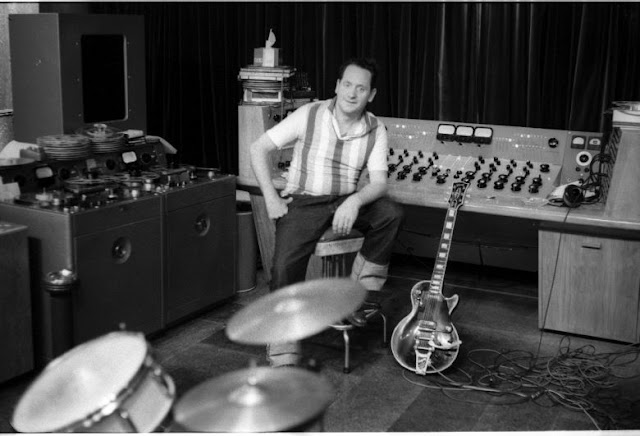
The problem I have with AI music is that it doesn’t really give you anything to do over longer periods. Once the Beatles were using the studio as an instrument their time in the studio increased. If all they ever did in the studio was let machines generate everything they’d never have gone into a studio.
What I like about new tools is that they (might) give you new ideas. It runs in the background or on the periphery—like watching TV in the background while you’re doing something else, and things emerge out of that peripheral attention.
The question becomes what do we do with the content that is generated by AI if it is provisional and raw. It’s anathema to what music is—even phenomenologically. I think the future always should have been psychoacoustics. It’s being pursued to some degree now with Steven Wilson doing new 5.1 mixes of classic rock albums. Perhaps new headphone technology will put a similar atmosphere around and within the head, such that music emanates in a continuous 360 and you don’t know exactly where sounds are coming from. Again, it’s dependent on hardware, and people won’t want to make that investment in gadgetry—as they didn’t with quadraphonic. Any new forced innovations in the future (including the Metaverse) will go the way of quadrophonic, unless “quadraphonic” becomes miniaturized, portable and cheap. Add fashionable and it’s a hit.
It’s still AI winter as far as I’m concerned. I think composers, if they’re true composers, just need to get back to work and work with traditional instruments, which are the best tools when you’re at the formative stages of a musical idea.
In terms of the visuals created with neural nets, it reminds me of the color organs from a hundred years ago, which were very cool indeed.
5/3/2021
[5/3/2026: Interesting to revisit after 5 years. There certainly has been a paradigm shift for music. If you’ve been a musician for a long time (even before the internet) AI music can seem like a threat, but when you really examine how it’s being made, in context of what you can do manually, there is little similarity. I like writing lyrics, so it’s made me more of a writer. But it doesn’t affect the desire to compose. For young people just getting into music, this is their “radio”].



Comments