Life During Wartime


On the book Matisse At War.
Needless to say, there are interesting parallels as it relates to artists currently. What we've come to understand about artists based on the surface elements is mostly an illusion--even on my own part. As many times as I've admired Matisse's work, particularly his sense of color, I wasn't thinking about the history--nor is anyone in a museum context because the relaxed atmosphere (mostly) veils it. Once art gets exalted to that level tend to focus on the aesthetics, or that's all that interests us. I have my favorite works, especially Harmony In Red and I've cited it many times for its unique flattening of foreground and background and parallels with ambient music--and Bathers for its interesting evolution of a creative process.
Without knowing the history of something, all we have are aesthetics. That can't be enough. It's naive to only see the Jazz cutouts as decorative and not know the circumstances surrounding them. The simplistic perception is "Matisse in his old age making paper cutouts as convalescence", whereas it was both an act of defiance against the Nazi occupation, just as we see today in the US.
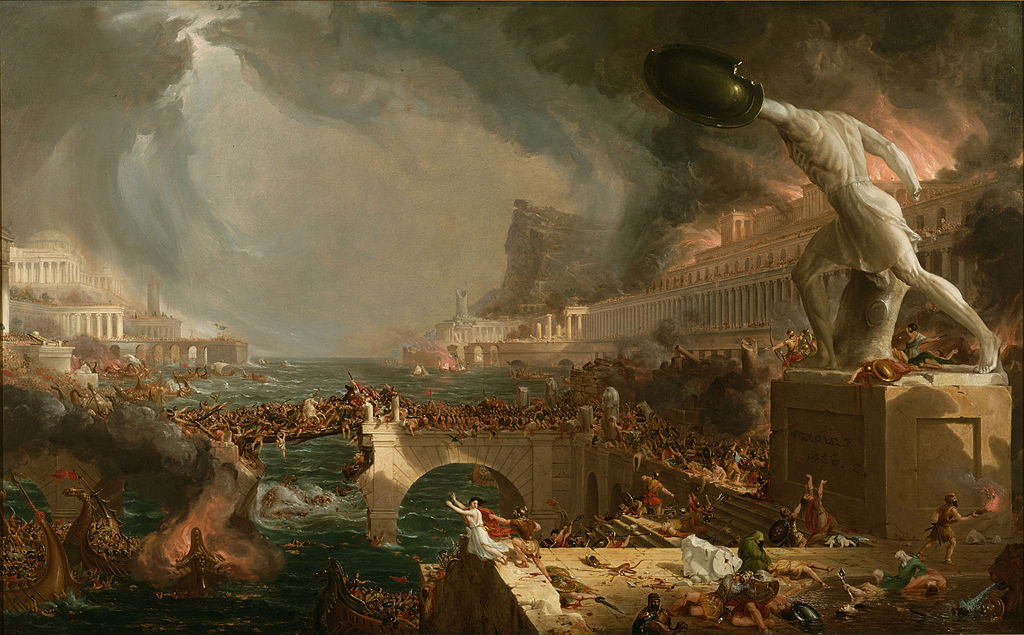
Personally, I find myself questioning both aesthetics and conceptualism in light of what's happening and is the reason I went metamodern around 2022 when I thought postmodernism (in music) was boring me. Creativity is always on a pivot point. Matisse helped Picasso realize that virtuosity was not enough for the 20th century, while Picasso taught Matisse that virtuosity could actually be an asset. But you can't avoid being reactive and stop making art, so you opt for a coded irony. It depends on one's temperament as an artist. (I always gravitate towards aesthetic and conceptual details. You can't avoid them when you're actually making something and are absorbed in a flow moment or are focused on craft or musical performance). Matisse had a serenity whereas Picasso didn't. Picasso painted the massive Guernica as a reaction to Franco, but Matisse was cutting brightly colored paper--both reactions to similar convulsions happening around them about the same time. Both were deemed degenerate artists by Hitler. Artists are naturally driven, so it stands to reason that they'll continue to create as the "bombs" are dropping.
In terms of activism, I don't think everyone is archetypally an Activist, which presents challenges in itself. Everyone has their own unique psychological and philosophical approach to how they inhabit the world, but now you have to pivot, and I'm not sure any of us are doing it effectively. People say, "read history". I've always done that, but it won't ensure that there will be a mid-term election.
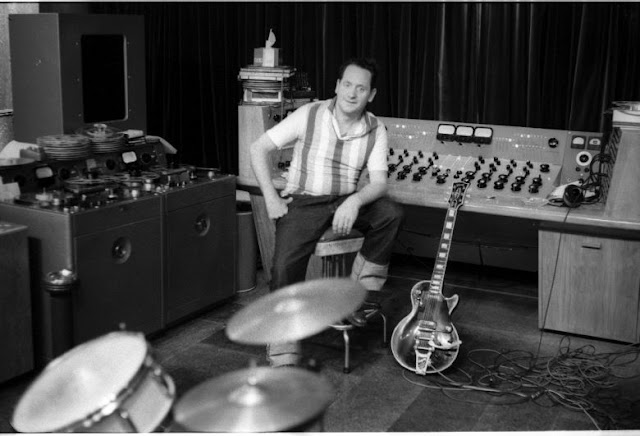
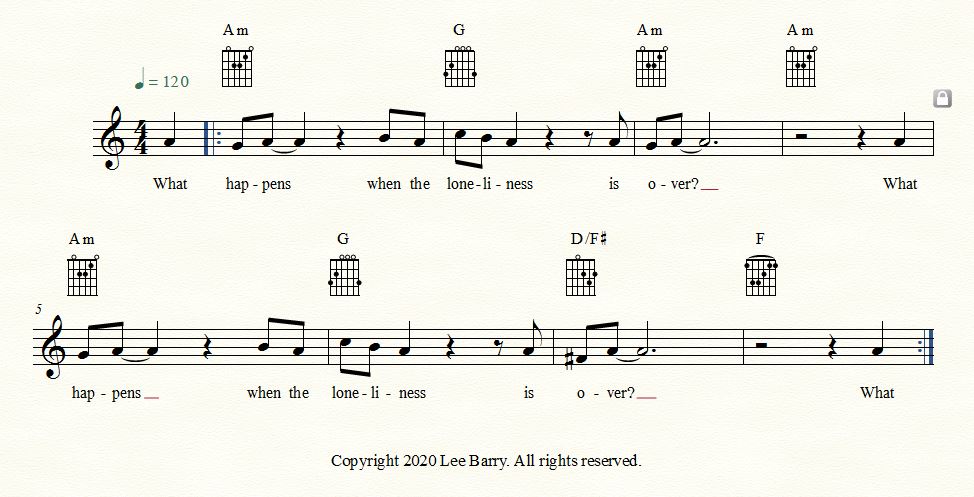
In times of war or civil unrest, artists move towards their inner sanctuaries, and you go where you can go and do what you can do. Lately, I've been composing and scoring. Phil Glass once said (probably in response to being asked what drives him to write), he simply liked writing music--which is what Matisse was essentially doing with the cutouts because it was what he could do in the moment to find inner calm.
I'm of two minds about art activism done reflexively because you can betray yourself as an artist. You can say it's no time for playing around with aesthetics or concepts and only be seriously political (This ain't no party, this ain't no disco--this ain't no fooling around"). Ideally, you'd have to do both, which is what the cutouts are in retrospect.
***




Comments